In the modern world, the demand for technology is growing every day. Over time, computer graphics, including 3D visualization, began to occupy a special place here. At the same time, it is impossible not to face a huge number of questions and suggestions, in each of which we will help you figure it out. Complete knowledge of the above technique will allow you to optimize it for your needs and make the right choice according to the goal.

3D Visualization and 3D Rendering: Short view
For a general and better understanding of the use of the 3D rendering technique, first it needs to understand its original, more common concept – 3D rendering. This is a procedure that includes several stages of creating a visual realistic form of a specific product that you want to demonstrate. Rendering is one of these stages. This gives you a clear idea of how the product will look in real life. Today, this practice of 3D photorealistic rendering is often used at various conferences, presentations and exhibitions.
Thus, 3D rendering is one of the last stages of 3D visualization. It is the process of creating detailed and realistic images from a digital 3D model. Rendering allows you to transform the finished image of a 3D model into 2D. 3D rendering can be used to create a variety of images, from intentionally unrealistic to photorealistic.
What is realistic 3D Rendering?
Creating photorealistic images is the real art of 3D rendering. The secret is that with this technique pictures look so similar to those captured with a traditional camera that it’s hard to distinguish 3D rendering from “real” photography. How to achieve this effect? By applying graphic media and appropriate computer programs.
3D artists usually need to do additional editing to customize the look of the image even after rendering is finished. To get a photorealistic and polished image, they also need to consider and complete other editing processes, including a combination of lighting and texturing. These types of images are useful in many areas, especially in architecture and interior design, furniture catalogs, product design and prototypes, and real estate marketing.

How can I make 3D renders more realistic?
To achieve a photorealistic effect, many different rendering techniques and methods are used to obtain the desired result and achieve the set goal.
- IES light profiles for photometric lighting – by far the most important detail when creating photorealistic renders is having the right lighting setup to simulate it in a more realistic way.
- Using a bevel is a way to achieve maximum realism by “smoothing” sharp edges, which practically do not exist in nature.
- Texture-mapping.
- Depth of field will make it possible to focus on the desired objects and highlight them from the overall picture.
- Chromatic aberration will make the subject more realistic.
- Natural effect – can be achieved with details such as cracks, drops, lines, etc.
- Asymmetry.
- Mirror maps allow for 3D rendering to indicate the location of the glitter or reflection (high specularity), thereby highlighting them.
- Final correction and adjustment of renders by avoiding excessive perfectionism.
When creating an interior in 3D, each designer strives to get the most realistic result. What else can I do to make a realistic image rendering? The answer lies in attention to detail and choosing the right software. Most of them include many different tools for producing high-quality and photorealistic images. Some of the most popular programs for 3D visualization are Sketchup, Blender, Archicad, Autocad, or 3ds Max.
How can I make an interior render more realistic?
Photorealistic interior rendering is carried out by creating individual details, each of which requires attention to obtain a coherent model of the image.
- Calculation and editing of the scale of objects for 3D rendering
- Adjusting lighting
- Using high quality materials
- Scene setup – field of view and image orientation
- Ensuring the consistency of textures, colors, shapes, proportions, textures of good quality
- Overview of the composition as a whole
Modern software allows you to use all of these techniques to make interior rendering more realistic by providing the necessary tools.
Photorealistic architectural rendering
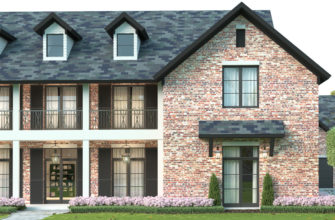
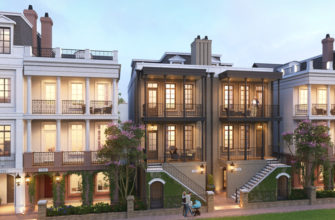
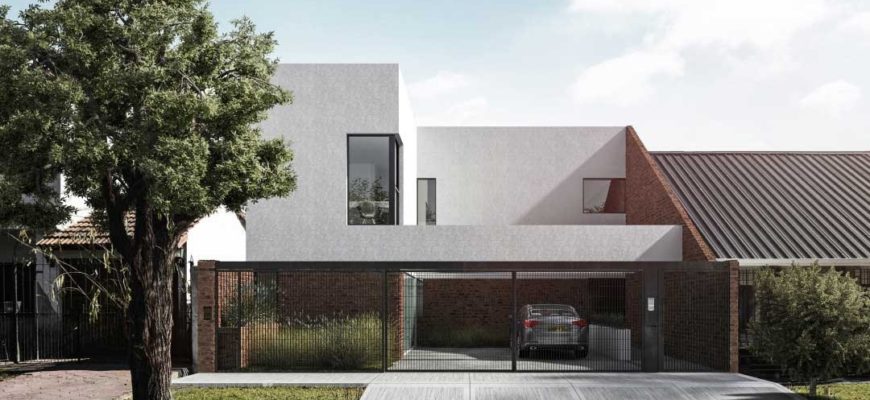
Architectural 3D rendering has been a real breakthrough for architectural design professionals, opening up new possibilities for visualizing objects, providing a fully armed technique to help determine the size of a building, as well as the type of design or style that can be used. Photorealistic architectural visualization gives architects an ability to make and demonstrate presentations of potential buildings with all design elements such as the layout of floors, windows, etc. Photorealistic architectural rendering represents space in three dimensions, allowing you to see everything at a more realistic scale.

Every day, rendering systems are used more and more in various fields of activity. Modern 3D photorealism is the real art of creating unique graphic elements in the field of architecture, design, interior and construction with the maximum level of realism. Volumetric models of various objects are distinguished by their detailed and precise elaboration. Photorealistic product rendering is carried out using professional and special software.
Creation of graphic objects using visualization (rendering) in 3D format makes it possible for a designer, architect, builder to demonstrate at the idea stage what the finished project will look like. Allows you to see the whole picture.